
%207.svg)

.svg)

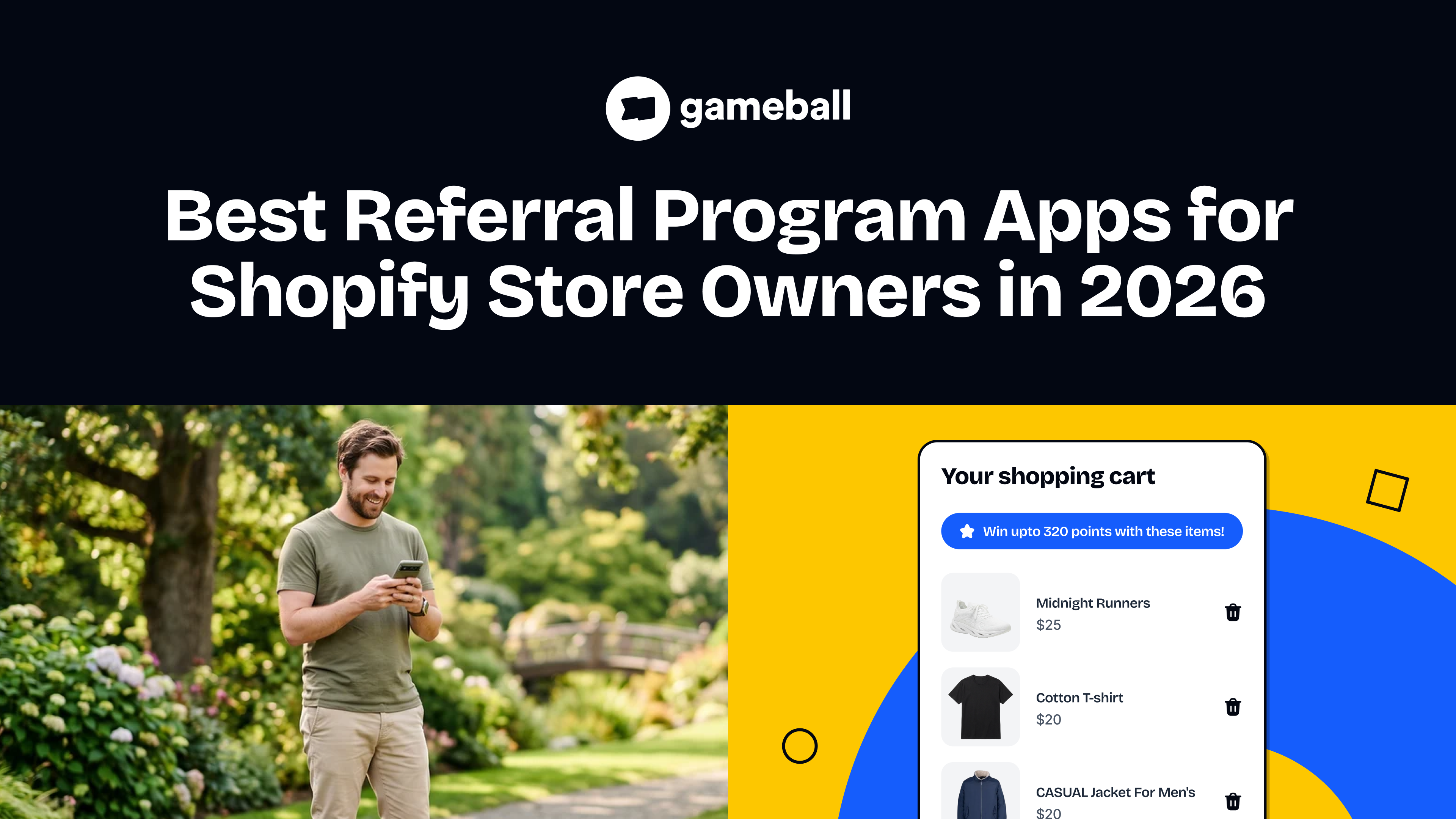
Paid ads get more expensive every year. Meanwhile, your happiest customers are already telling friends about your store, you're just not capturing that value yet.
A Shopify referral program turns word-of-mouth into a trackable, scalable acquisition channel. This guide covers how referral programs work on Shopify, the best apps to run them, and how to set one up step by step.
What is a Shopify referral program?
Shopify doesn't have a built-in referral feature for customers to refer friends. To run a customer referral program, you'll need to install a third-party app from the Shopify App Store.
A Shopify referral program rewards existing customers for bringing in new buyers through shareable links or discount codes. When a friend makes a purchase using that link or code, both the referrer and the new customer receive a reward.
Here are a few key terms:
- Referral link: A unique URL assigned to each customer that tracks who they refer
- Referral code: A discount code tied to a specific referrer, often used at checkout
- Dual-sided reward: Incentives given to both the person referring and the new customer who makes a purchase
How referral programs work on Shopify
The mechanics are simple. A customer joins your referral program, usually through an account dashboard or a widget on your site. They receive a unique link or code to share with friends via email, social media, or direct message.
When a friend clicks that link and completes a purchase, the referral app tracks the conversion automatically. Both the referrer and the new customer receive their rewards without any manual work on your end.
Here's the typical flow:
- Customer joins the referral program
- They share their unique referral link or code
- A friend clicks the link and completes a purchase
- Both referrer and referee receive their rewards automatically
Benefits of adding a referral program to your Shopify store
Referral programs turn your happiest customers into an acquisition channel. The business case is straightforward: referred customers tend to have higher lifetime value than non-referred customers, and they cost less to acquire than customers from paid advertising.
Here's what a well-run referral program delivers:
- Lower customer acquisition cost: Referred customers cost less to acquire than paid advertising
- Higher customer lifetime value: Referred customers tend to spend more and stay longer, which directly impacts your CLV
- Built-in trust: Recommendations from friends carry more credibility than brand ads
- Scalable word-of-mouth: Automates and incentivizes organic sharing that would otherwise happen sporadically
Key features to look for in a Shopify referral app
Not all referral apps offer the same capabilities. Here are the features that separate basic tools from scalable referral engines.
Dual-sided rewards for referrer and referee
Rewarding only the referrer creates a one-sided incentive. When both parties benefit, participation rates and conversion rates increase. The new customer gets a reason to complete their first purchase, while the referrer feels their effort is valued.
Flexible reward types
The best apps let you choose from points, cashback, discount codes, free products, or store credit. A 10% discount might work for one brand, while another prefers giving loyalty points that encourage repeat purchases.
Milestone and tiered referral bonuses
Milestone bonuses reward referrers when they hit thresholds, say, an extra $20 credit after five successful referrals. Bonus tiers activate your top advocates and turn casual sharers into dedicated brand ambassadors.
Fraud prevention and validation controls
Referral fraud is real. Self-referrals, fake accounts, and friends gaming the system can drain your budget quickly. Look for apps with validation rules, pending reward holds, and automatic refund adjustments that protect against abuse.
Loyalty and promotions integration
Running referrals in one tool, loyalty in another, and promotions in a third creates data silos and inconsistent customer experiences. A unified platform lets you connect referral rewards to loyalty points, tiers, and promotional campaigns from one dashboard.
Customizable referral widget
A referral widget is an embeddable UI element that appears on your site. Brand customization matters here; your widget matches your store's look and feel, so customers trust it immediately.
Real-time referral analytics
You'll want to track referral conversions, revenue attributed to referrals, and your top referrers. Real-time data helps you optimize reward values, messaging, and placements without waiting weeks for reports.
Best referral program apps for Shopify
Here are the top apps based on feature depth, Shopify integration, and scalability. Each serves a slightly different use case, so the right choice depends on your store's size and goals.
Gameball
Gameball combines referrals with loyalty, gamification, and promotions in one platform. You can create multi-step referral flows, rewarding on signup and again on first purchase, plus milestone bonuses for high-volume referrers. The brandable widget launches with no code, and the platform includes enterprise-grade compliance for GDPR, CCPA, and PDPL.
Smile.io
Smile.io is a popular choice for small to mid-sized Shopify stores. The setup is straightforward, with points-based rewards and basic referral features that work well for stores just getting started with loyalty.
Yotpo
Yotpo's strength is combining reviews, loyalty, and referrals into one ecosystem. If you're already using Yotpo for reviews, adding their referral features keeps everything in one place.
LoyaltyLion
LoyaltyLion takes a data-driven approach with strong segmentation capabilities. It's a solid option for brands that want to target referral campaigns to specific customer segments.
ReferralCandy
ReferralCandy focuses exclusively on referrals with automated reward fulfillment and email integration. It's a good fit if you want a dedicated referral tool without the broader loyalty features.
Rise.ai
Rise.ai specializes in store credit and gift card-based rewards. If your referral strategy centers on credit rather than discounts or points, Rise.ai is worth considering.
Referral Rock
Referral Rock offers flexibility for both B2B and B2C referral programs with multi-program support. It's useful if you're running different referral structures for different customer types.
Talkable
Talkable targets enterprise ecommerce with A/B testing and optimization features built in. The platform helps larger brands test different reward structures and messaging at scale.
Viral Loops
Viral Loops excels at pre-launch campaigns and viral referral templates. If you're launching a new product and want to build buzz before it ships, their templates can help.
How to set up a referral program on Shopify
Here's a step-by-step approach to launching your referral program.
Step 1: Define your referral program goals
Start with clarity on what you're trying to achieve. Are you focused on new customer acquisition, increasing repeat purchases, or building brand awareness? Your goals shape your reward structure and how you'll measure success.
Step 2: Choose the right Shopify referral app
Match app capabilities to your goals and store size. A small store might start with a simpler tool, while a growing brand benefits from a platform that can scale with it.
Step 3: Configure rewards for referrer and referee
Set reward values that motivate sharing without eroding margins. Test different reward types; some audiences respond better to percentage discounts, others to fixed amounts or points.
Step 4: Customize your referral widget and messaging
Brand your widget to match your store's design. Write clear referral messaging that explains the value for both parties. Vague copy like "Refer a friend" performs worse than specific copy like "Give $10, Get $10."
Step 5: Promote your program across channels
Place referral prompts where customers are most engaged:
- Post-purchase confirmation pages
- Order delivery emails
- Account dashboards
- Social media profiles
- Checkout pages
Step 6: Track performance and optimize
Monitor your key metrics and iterate. If participation is low, test different placements. If conversions are low, adjust your reward values or messaging.
Best practices for running a Shopify referral program
Here are tactics that consistently improve referral program performance.
Reward both sides of the referral
Dual-sided rewards increase both sharing and conversion. The referrer feels appreciated, and the new customer has an immediate reason to buy.
Use milestone bonuses to activate top advocates
Bonus tiers, like an extra reward at five referrals, motivate high-volume referrers. Your top 10% of referrers often drive the majority of your referral revenue.
Place referral prompts at high-intent moments
Customers are most likely to share right after a positive experience. Post-purchase confirmation, order delivery emails, and account login are prime moments.
Combine referrals with loyalty points and tiers
Integrating referrals into a broader loyalty program increases engagement and lifetime value. When referral rewards feed into the same points balance as purchases, customers stay more engaged with your brand overall.
Prevent fraud with validation and holds
Set up validation rules and pending reward holds. Require a minimum purchase amount, exclude certain products, or hold rewards until the return window closes.
How to measure Shopify referral program ROI
Track the following metrics to evaluate your referral program's performance:
- Referral conversion rate: Percentage of referral links that result in a purchase
- Revenue per referral: Average order value from referred customers
- Customer acquisition cost from referrals: Total referral rewards divided by new customers acquired
- Referral program participation rate: Percentage of customers who share their referral link
- Top referrer performance: Revenue and conversions driven by your highest-performing advocates
Compare your referral CAC to your paid acquisition CAC. Most brands find referrals deliver customers at a fraction of the cost of paid channels.
Launch your Shopify referral program with Gameball
If you're looking for more than a basic referral plugin, Gameball brings referrals, loyalty, gamification, and promotions into one platform. You can set up multi-step referral flows, add milestone bonuses for top advocates, and launch a fully branded widget without writing code.
The platform is built for mid-market and enterprise brands that want to own their retention strategy without stitching together multiple tools. Enterprise-grade compliance for GDPR, CCPA, and PDPL comes standard.
Book a demo to see how Gameball can turn your customers into your best acquisition channel.
Frequently asked questions about Shopify referral programs
Are there free referral program apps for Shopify?
Some apps offer free tiers with limited features. Most scalable referral programs require a paid plan to access advanced rewards, analytics, and fraud controls.
Can I run a referral program on Shopify without an app?
Technically, yes, using manual tracking and discount codes. However, this approach doesn't scale and lacks automation, fraud prevention, and analytics.
How long does it take to set up a Shopify referral program?
With a no-code referral app like Gameball, most Shopify stores can launch a referral program in a few hours or less.
What is a good referral conversion rate for Shopify stores?
Referral conversion rates vary by industry. A well-optimized program typically converts a meaningful percentage of referred visitors into paying customers.
Do Shopify Plus stores need a different referral app?
Not necessarily. However, Shopify Plus stores often benefit from apps with enterprise features like advanced API access, custom integrations, and data residency options.
Can I combine a referral program with a loyalty program on Shopify?
Yes. Platforms like Gameball let you run referrals, loyalty points, and gamification from one dashboard, creating a unified customer experience.
.svg)
.svg)
.svg)

Ready to level up your game?
Create your first campaign and start seeing results in 30 days.
Ready to grow?
Get in touch with our sales team today.
The loyalty vendor checklist your CTO
will thank you for
Discover engineering challenges, essentials, and more from global brands.

Gameball Staff
Stay ahead on retention
Subscribe to our newsletter and get all the latest updates as we post.

Ready to level up your game?
Create your first campaign and start seeing results in 30 days.
Read related articles


.webp)
%2520(1)%2520(1)%2520(1)%2520(2)%2520(1).avif)
Ready to level up your customer loyalty?
Level up your customer loyalty!


.avif)
.avif)
.avif)
.avif)